
Tick season is in full swing in Wisconsin. Check out how you can protect your pups from ticks to learn how you can prevent them and what to do when you find one on your dog.
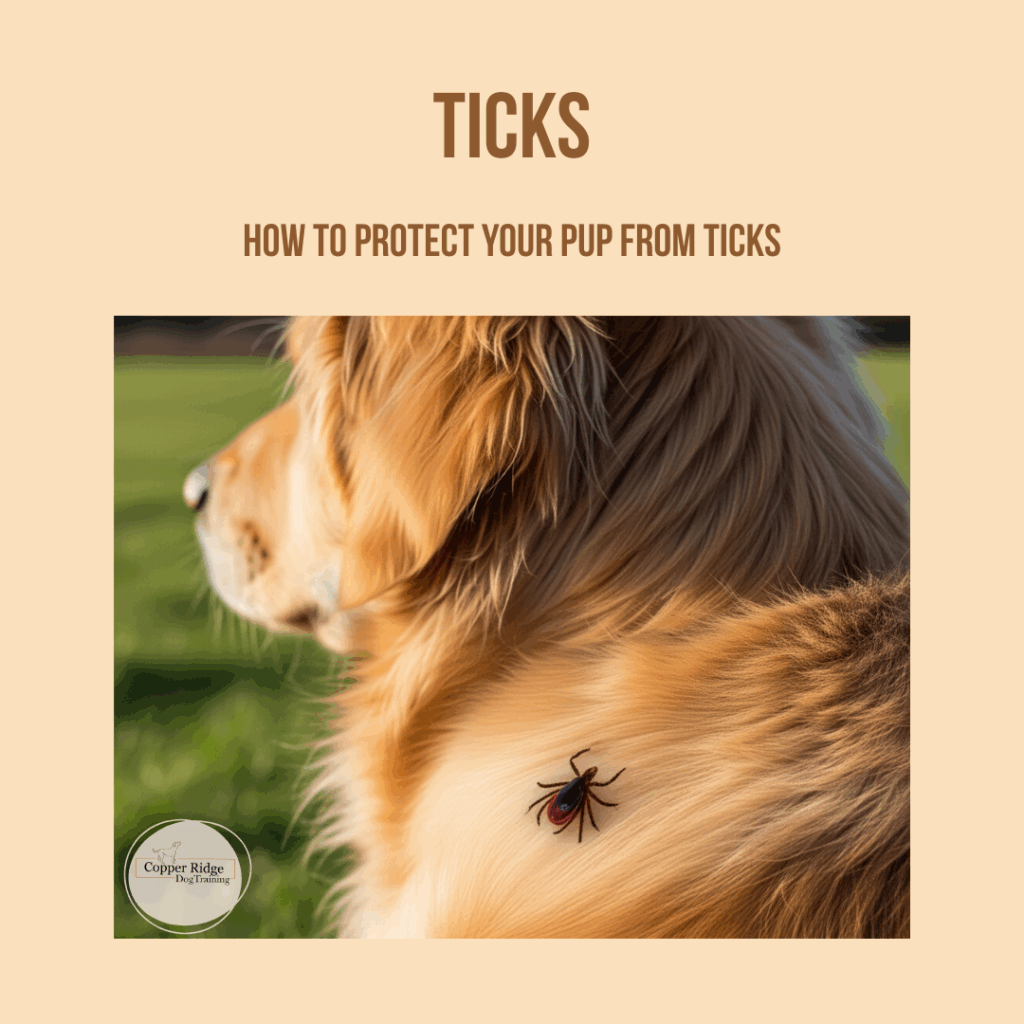
Summer is right around the corner in Wisconsin and with the warm weather comes ticks. Ticks thrive in warm and humid climates, making our summers perfect for them. You and your dogs can pick-up ticks in the woods, in tall grass, and even in your backyard. They are typically close to the ground and will attach themselves to you or your dog when you brush past them. There are three types of ticks that are commonly found in Wisconsin; the brown dog tick, the deer tick, and the wood tick. Ticks can spread various diseases to you and your pets, so it’s important to keep an eye out for them during the summer months.
The most effective thing you can do to prevent your dog from getting a tick is to make sure she is taking her flea and tick preventatives. If you are someone who tends to spend a lot of time in wooded areas in the summer with your dog, it might even be worth making sure she is up to date on her Lymes Disease vaccination. If you are unsure if you should get this vaccine for your dog, have a conversation with her veterinarian and they can help you make an informed decision.
Some other ways to help keep your dog safe from ticks is doing tick checks regularly. The most common spots to find ticks are behind your dogs’ ears, in her armpits, and in-between her toes. However, they can attach themselves anywhere so it’s important to take a quick look over your dog’s entire body. There are also some natural sprays you can use on your pets and yard to help further their protection from ticks. I personally love the Wondercide products and have found they work wonders at preventing ticks with my own pets.
Most dogs will inevitably get a tick at some point in their life. It is important that when you do find a tick on your dog that you remove it correctly. You want to remove the tick quickly and properly. To remove a tick, you are going to need tweezers or a tick key. When removing the tick, grab it as close to your dog’s skin as possible and pull away with even and steady pressure, making sure you get the head. After removing the tick, monitor the area for any signs of infection. If you notice your dog acting differently after being bitten by a tick, it is important to seek out veterinarian help. Once you have removed the tick from your dog, you want to kill it to ensure it doesn’t reattach to anyone. To kill a tick, you can either burn it, put it in a sealed Ziploc bag, or place it in rubbing alcohol.
Unfortunately, ticks are a prevalent part of Wisconsin summers, and there is nothing we can do about that. Make sure your dog is protected and do what you can to prevent them so everyone can have a fun summer.