
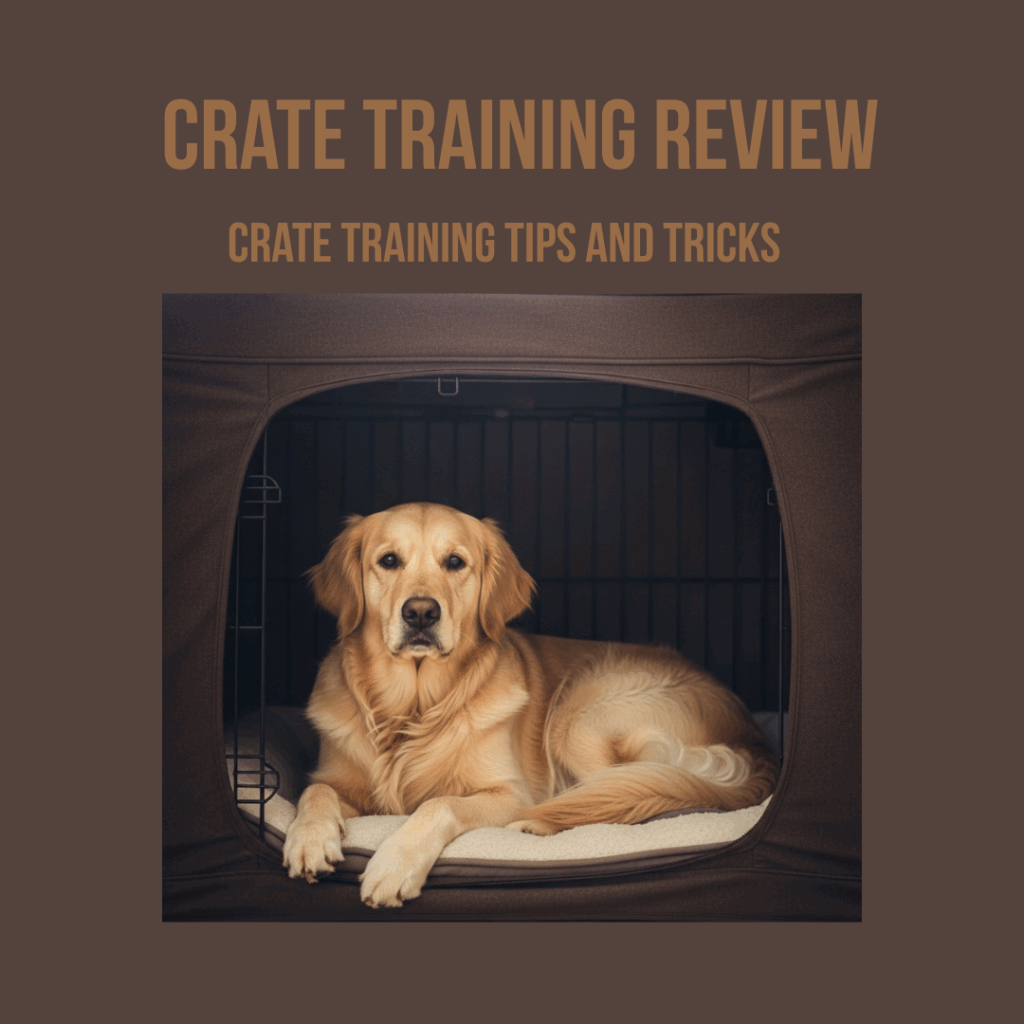
Crate Training Review
Summer is coming to an end which means the kids will be going back to school soon. If your dog has been enjoying the freedom of having the family home all summer, now is a good time to start (or reintroduce) crate training. We want to make that transition as easy as possible for your dog, so now is the time to freshen up those crate skills. If you have never used the crate, but are wanting to, now is the perfect time to start!
How do I Crate Train My Dog?
When first starting out, you will want to keep your sessions short. We’ve broken down the following steps in an easy-to-follow video that you can find on our YouTube channel here.
- Lure your dog into her crate with treats and then let her immediately come back out. Repeat this step until she is comfortably going in and out of the crate without the lure.
- Next, you will want to start closing the crate door. When closing the crate door, you always want to make sure your dog is facing you and sees you close the door. This will help ensure she doesn’t feel like she is getting trapped.
- When your dog is calm, you can open the crate door and let her out. It’s important that she leaves the crate in a calm state of mind so that she doesn’t think throwing a tantrum equals freedom. Therefore, if she is barking or pawing at the crate, simply wait until she quiets down (this could take a bit at first if she’s uncomfortable in a crate), and then let her out as soon as she is quiet.
- The next step will be to start adding duration in her crate. When adding duration, you don’t want to continuously increase the amount of time she is left in her crate, but instead vary it. By varying the amount of time (2 minutes here, 7 minutes there, 30 seconds next), she won’t be able to predict when she should be let out and will learn to relax while in there.
What Should My Dog’s Crate Set-up Look Like?
When choosing a location in your house to place your dog’s crate, I suggest a room that isn’t in a centralized location. This way your dog can’t see or hear you moving around and feel left out of the activities around her.
It’s also a great idea to play some type of background noise to help drown out any potential noises that could make her upset. You can use a TV, fan, sound machine, or music. It can also be beneficial to cover your dog’s crate with a sheet or crate cover to help her feel cozy and relaxed, maybe even sleepy enough to take a nap. This can make her feel less exposed and create a more calming and den-like atmosphere for her.
Other Tips to Help My Dog Get More Comfortable With Her Crate
You are going to want to start feeding your dog in her crate for every meal. This will help build a positive association with her crate. Likewise, providing her with a special treat or chew when she is in her crate can also help build up a positive association.
Reminder!
Crate training can be really tough at first. It’s important that you go slow and make this a positive experience for both you and your dog. If you rush things, or you force her in before she is calm and relaxed at any of the stages we’ve mentioned above, you run the risk of undoing all of the hard work that you’ve put in.
And if it feels too tough? You’re not alone! And that is where a trainer can come in to help you figure out what you and your unique dog need to be successful.
Practice and consistency are key when creating good crate habits. It might seem tedious at first, but the more you practice the easier it will get!